
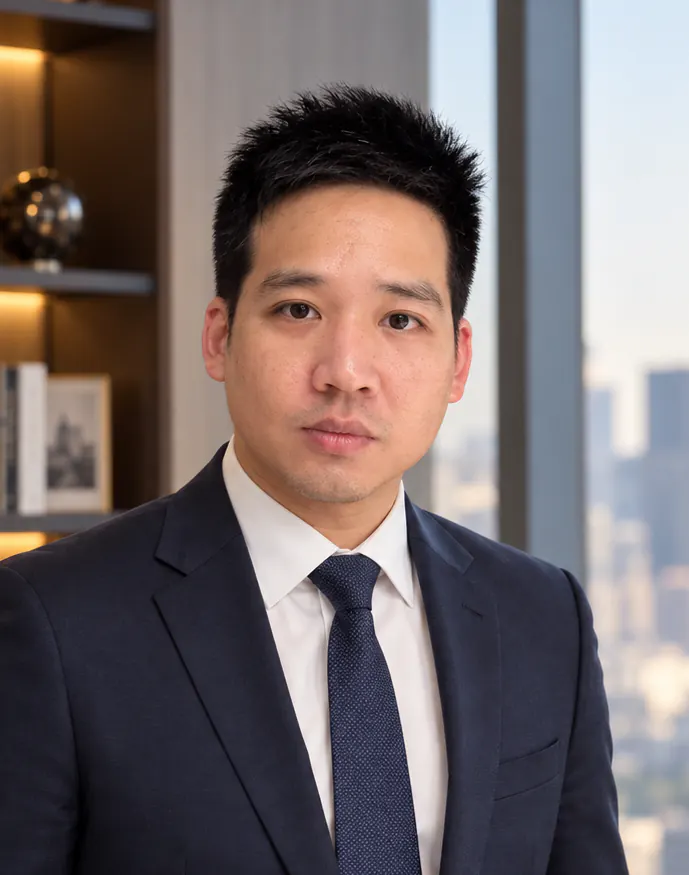
Ravipas Chaloenchansa,
CFA, CFP®
Thailand
Finance & Retirement
Living here is easier when you have looked, before you need it, at where you would be treated and how it would work.
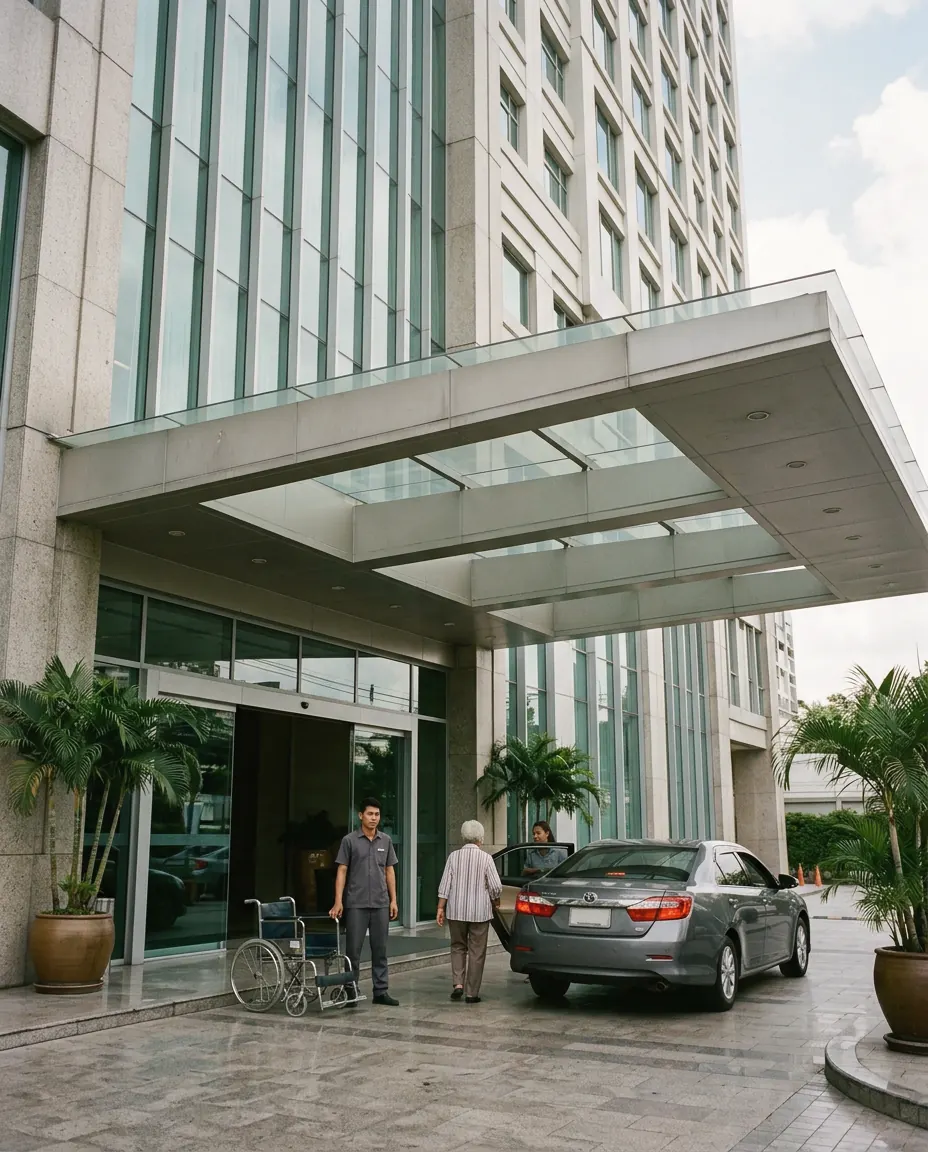
Before you need care
The place, the people, the process and the bill.



Most care is ordinary. It is easier when you already know how the ordinary part works.
This page sets out how healthcare works in practice for someone living in Thailand: where you might be treated, what routine and urgent care involve, how hospitals work with you, and how care is paid for. It is a place to start, not medical advice.
Start with what
is near you.
Where you would be treated depends on what is within reach of where you live, and on who you would see when you get there.

Worth doing once
Visit the hospital you would use on an ordinary day, before you need it.
Which hospitals are within reach, and what kind is each one?
Can you see the same doctor each time, and the specialists you may need?
How long does the journey take on an ordinary day, and at night?
Most care is the
ordinary kind.
Check-ups, prescriptions, a specialist now and then, and sometimes treatment you can plan for.

Decide what you
would do before
you have to.
An emergency is the wrong moment to find out where the nearest hospital is. A few answers, written down, are enough.

What a visit is
actually like.
Every hospital has its own way of working. These are the four moments worth understanding before your first visit.

Before
Can you book in English, and how far ahead?

On the day
What do you need to bring with you?

In the room
Is there someone to interpret if you need it?

After
Who follows up, and where are your records kept?

Where you are treated and how you are covered are separate decisions. They meet when the bill arrives.
Cover is its own subject, with its own hub.
Health insurance hubThe care around you
depends on where
you settle.
What is within reach is different in every place, so healthcare belongs in the decision about where to live.
Care needs change.
Plan for the change
while it is easy.
The care you use at sixty is not the care you may need at eighty. It is easier to arrange while nothing is urgent.

Our experts contribute to Thailand Ready content and guidance within their respective areas of experience and professional background.
Thailand
Finance & Retirement

Thailand
Insurance

Thailand
Tax & International Tax
Thailand
Visa & Relocation
CFA®, Chartered Financial Analyst®, CIPM®, and GIPS® are registered trademarks owned by CFA Institute.
CFP® and CERTIFIED FINANCIAL PLANNER™ are trademarks owned outside the U.S. by Financial Planning Standards Board Ltd. Thai Financial Planning Association is the marks licensing authority for the CFP marks in Thailand, through agreement with FPSB.
Three guides to read next, and the hubs that sit beside this one.
Know where you would go before you need to go.
Start with where you live. We’ll help you work out the rest.